

Pickleball court etiquette: Rules every player should know
Learn essential pickleball court etiquette, from paddle rotation and line calls to sportsmanship and court safety. A complete guide for beginners and recreational players.
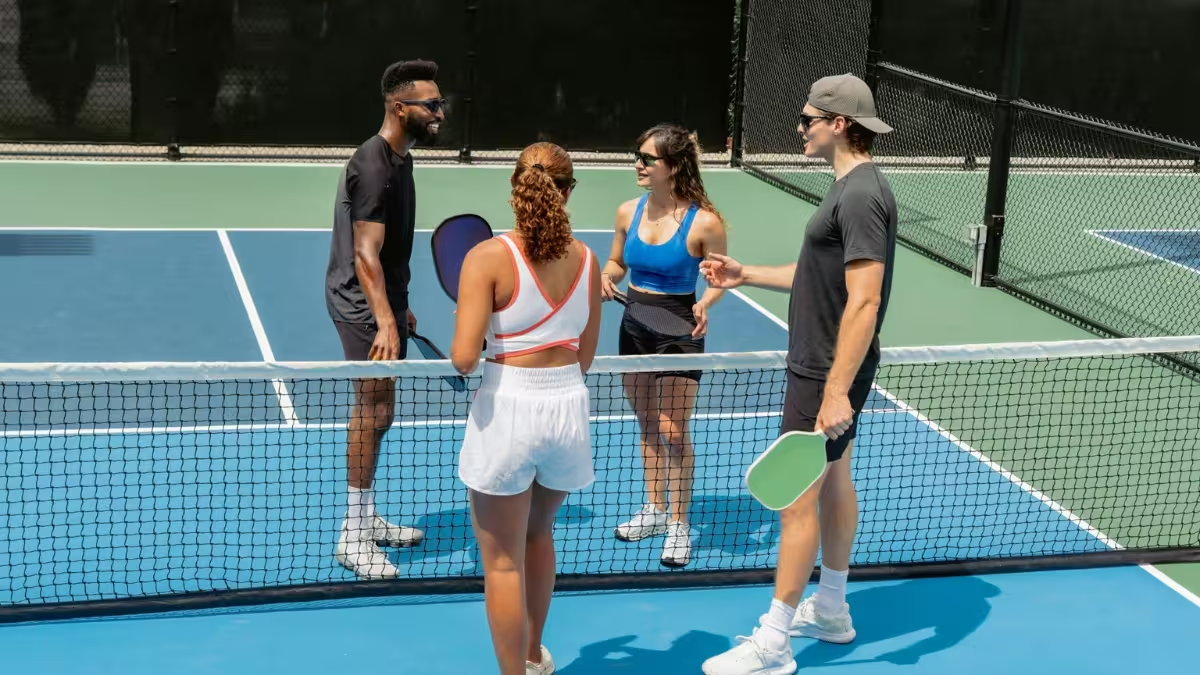
Pickleball court etiquette: A beginner’s guide to being a great team player
Whether you’re stepping onto a pickleball court for the first time or you’ve been playing for years, understanding proper court etiquette is just as important as learning how to serve or dink. Good etiquette helps games run smoothly, creates a welcoming environment, and ensures everyone enjoys their time on the court.
Unlike the official rules of pickleball, court etiquette isn’t always written down. Many expectations are simply learned by playing with others. Knowing these unwritten rules will help you fit in at your local courts and earn the respect of your fellow players.
In this guide, we’ll cover the essential pickleball court etiquette every player should know.
Why pickleball etiquette matters
Pickleball is one of the fastest-growing sports because it’s welcoming and social. Public courts often bring together players of different ages, skill levels, and backgrounds, making respect and communication essential.
Good court etiquette helps:
- Keep games moving efficiently
- Create a positive atmosphere
- Reduce misunderstandings
- Improve safety on the court
- Make everyone feel welcome
- Create long-lasting friendships and connections
Whether you’re playing recreationally or in a competitive setting, treating other players with courtesy makes the experience better for everyone.
Arrive prepared and on time
If you’re meeting friends or attending an organized session, arrive a few minutes early so you’re ready to play when it’s your turn.
Bring everything you’ll need, including:
- Paddle
- Pickleballs
- Water bottle
- Court shoes
- Towel if needed
Being prepared helps avoid unnecessary delays and shows respect for everyone else’s time.
Understand the paddle rotation system
Many public pickleball courts use a paddle rack or paddle queue to organize games.
Before joining a court, take a moment to observe how players are rotating in. Every facility may have slightly different procedures.
Common practices include:
- Placing your paddle in the designated rack
- Waiting until your group is called
- Rotating off after one game if others are waiting
Respecting the local rotation system ensures everyone gets a fair opportunity to play.
Call the score clearly
Calling the score before every serve is an important part of pickleball.
Speak loudly enough so all four players can hear you.
This simple habit helps prevent confusion and keeps everyone on the same page throughout the match.
Respect line calls
Line calls belong to the team on their side of the court.
If your opponents call a ball out, respect their decision—even if you disagree.
Likewise, if you’re unsure whether a ball landed in or out on your side, give your opponents the benefit of the doubt and call it in.
Honest line calling builds trust, character, and keeps games enjoyable.
Retrieve balls safely
It’s common for balls to roll onto neighboring courts.
Before entering another court to retrieve a ball:
- Wait until play stops.
- Politely call “Ball on!” to alert nearby players if necessary.
- Never run through an active point.
Safety should always come first.
Similarly, if another court’s ball rolls onto yours during a rally, stop play immediately and replay the point if appropriate.
Keep conversations positive
Pickleball is a social sport, but conversations should never distract players during active points.
Encourage your partner after good rallies.
Avoid criticizing mistakes or offering unsolicited coaching unless someone asks for feedback.
Positive communication helps everyone relax and enjoy the game.
Be mindful of pace of play
No one enjoys long delays between points.
Help keep games moving by:
- Retrieving balls promptly
- Being ready to serve
- Limiting unnecessary interruptions
- Returning the ball to the server between points
A steady pace keeps games enjoyable for everyone waiting to play.
Celebrate respectfully
It’s perfectly fine to celebrate a great shot or exciting rally.
However, avoid excessive celebrations that might make opponents feel uncomfortable.
A simple “Nice shot!” or a quick celebration with your partner keeps the atmosphere fun while remaining respectful.
Communicate with your partner
Good communication improves teamwork and reduces confusion.
During play:
- Call “Mine” or “Yours”
- Warn your partner about lobs
- Discuss strategy between points rather than during rallies
Supporting your partner creates a better experience regardless of the outcome.
Respect players of every skill level
One of pickleball’s greatest strengths is that players of different abilities often share the same courts.
Whether you’re playing with beginners or experienced competitors:
- Be patient
- Encourage newer players
- Avoid showing frustration
- Adjust your expectations appropriately
Everyone was new to the game at some point.
Helping create a welcoming environment encourages the continued growth of the sport. At the end of the game, tap paddles with your teammate as well as your opponents.
Know when to offer advice
Many experienced players enjoy helping beginners.
However, unsolicited coaching can sometimes be overwhelming.
Before giving tips, ask permission.
Simple questions like, “Would you like a suggestion?” show respect and allow players to decide whether they want feedback.
Leave the court in good condition
Before leaving:
- Pick up any balls
- Throw away trash
- Return borrowed equipment
- Thank your opponents and partners
These small habits contribute to a positive playing environment for everyone who uses the courts after you.
Common etiquette mistakes to avoid
Even experienced players occasionally make mistakes.
Some of the most common include:
- Walking behind players during a point
- Entering another court without waiting
- Arguing over line calls
- Taking excessive time between serves
- Offering constant unsolicited advice
- Ignoring local court rotation procedures
- Storming off the court after a loss without tapping paddles with the other players
Being aware of these habits can help you become a more considerate playing partner and develop positive sportsmanship.
Conclusion
Good pickleball etiquette goes beyond following the rules—it’s about showing respect for your partners, opponents, and everyone sharing the court. Small actions like calling the score clearly, respecting line calls, and keeping a positive attitude help create an enjoyable experience for players of every skill level.
As you continue playing, these habits will become second nature. Practicing good etiquette not only makes you a better playing partner but also helps build the welcoming community that makes pickleball such a popular sport.


Become a better pickleball partner
Build strong habits on and off the court with lessons, drills, and practical resources that support every stage of your pickleball journey.

Get free weekly coaching tips
Receive weekly coaching tips, updates on class schedules, product news, and more.
